Banking the world’s seeds
Safeguarding wild plant diversity and enabling its sustainable utilisation through global partnership.
Find out about our Millennium Seed Bank Partnership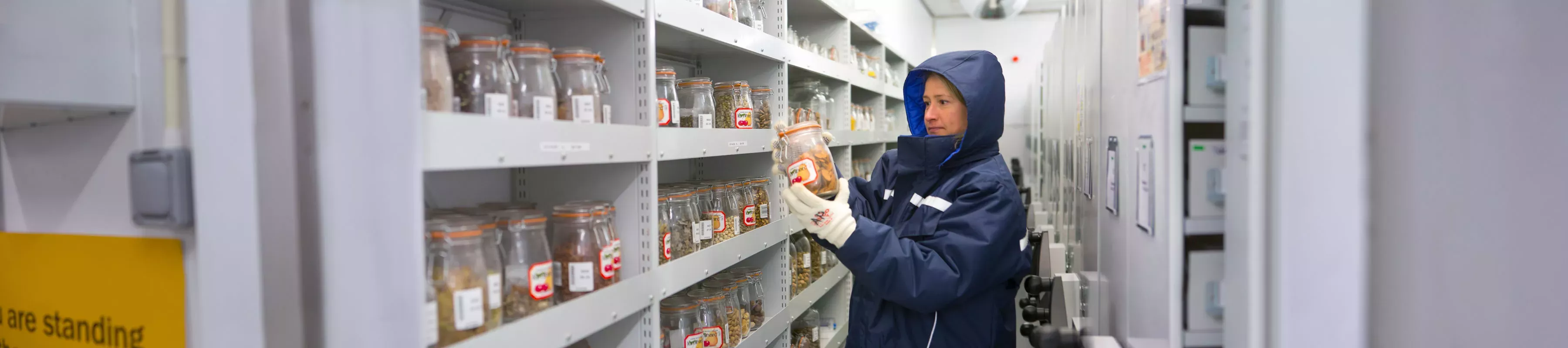
Hidden underground in rural Sussex is the world’s largest collection of seeds from wild plants.
The Millennium Seed Bank (MSB) is home to over 2.4 billion seeds, representing over 39,000 different species of the world’s storable seeds.
This is the most diverse wild plant species genetic resource on Earth – a global insurance policy to store and conserve seeds from common, rare or endangered useful plants.
Seeds are largely collected by global partners as part of the Millennium Seed Bank Partnership, as well as during field work led by Kew scientists.
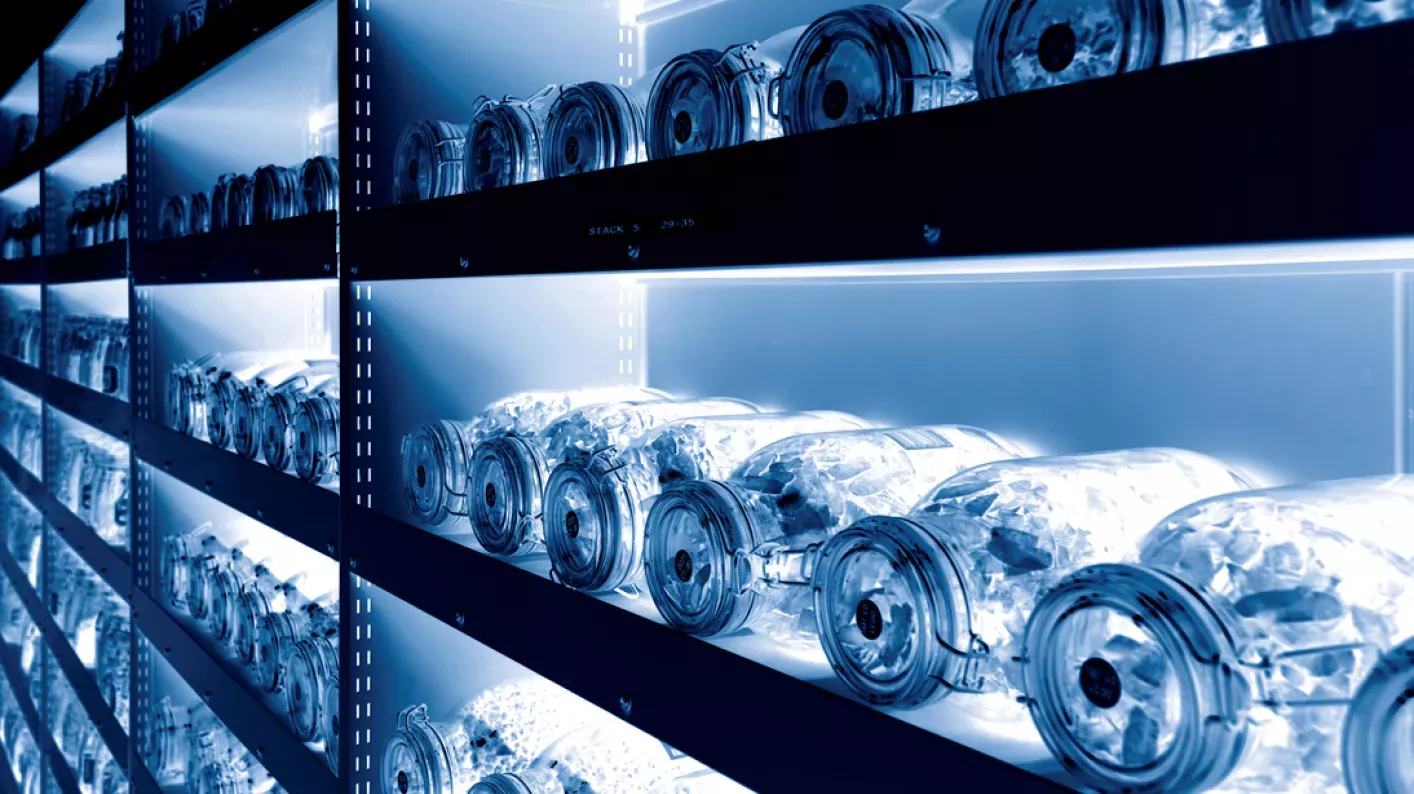
A world-class automated state-of-the-art research facility, the MSB is flood, bomb and radiation proof. Deep freeze chambers store seeds at -20°C, using international standards.
Fully kitted laboratories and seed preparation facilities are also on-site for botanists and geneticists to germinate and study seeds.
The MSB is part of the Wellcome Trust Millennium building; an energy-efficient location with cold and dry rooms powered by solar panels.
Seed collections from wild plant species arrive at the MSB where they are taken to an initial drying room, kept at 15°C with a 15% relative humidity.
Every 1% we reduce a seed’s moisture content doubles its life span. Our initial drying phase increases a seed’s life 40 times over. This can take between two weeks and six months.
Seeds are then cleaned by hand or using an aspirator before using X-ray analysis to identify damaged or empty seeds that can be discarded.
Seeds are placed in the main drying room, operating at 18°C/15% relative humidity to ensure seeds are dry enough to withstand freezing.
After which, they are placed in labelled jars and stored in our sub-zero chambers. These collections are curated to international gene-bank standards.
Research is underway to develop ways to bank recalcitrant species whose seeds cannot be dried and banked conventionally.
Safeguarding wild plant diversity and enabling its sustainable utilisation through global partnership.
Find out about our Millennium Seed Bank Partnership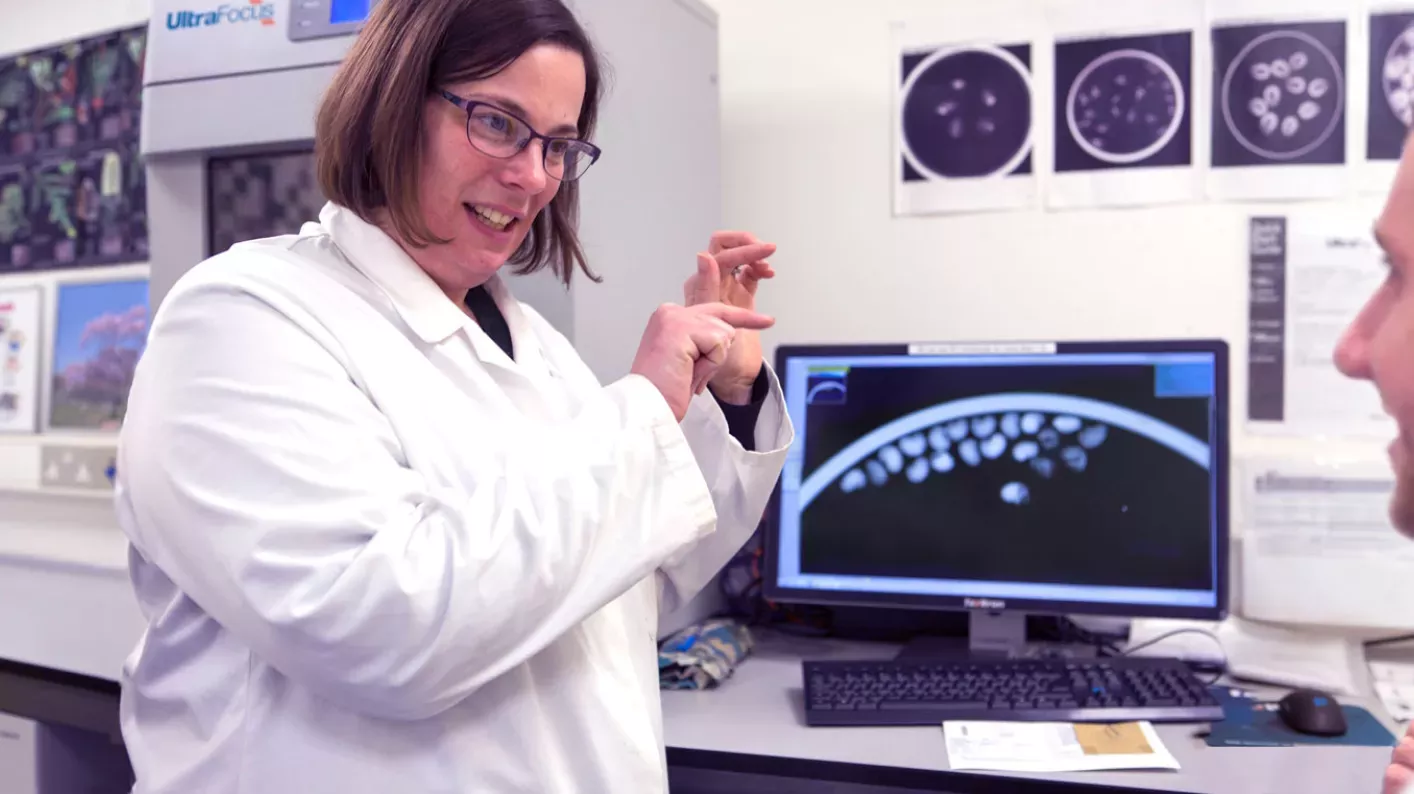
Home to a wide range of facilities to enable our seed research.
Our Seed Biology Laboratories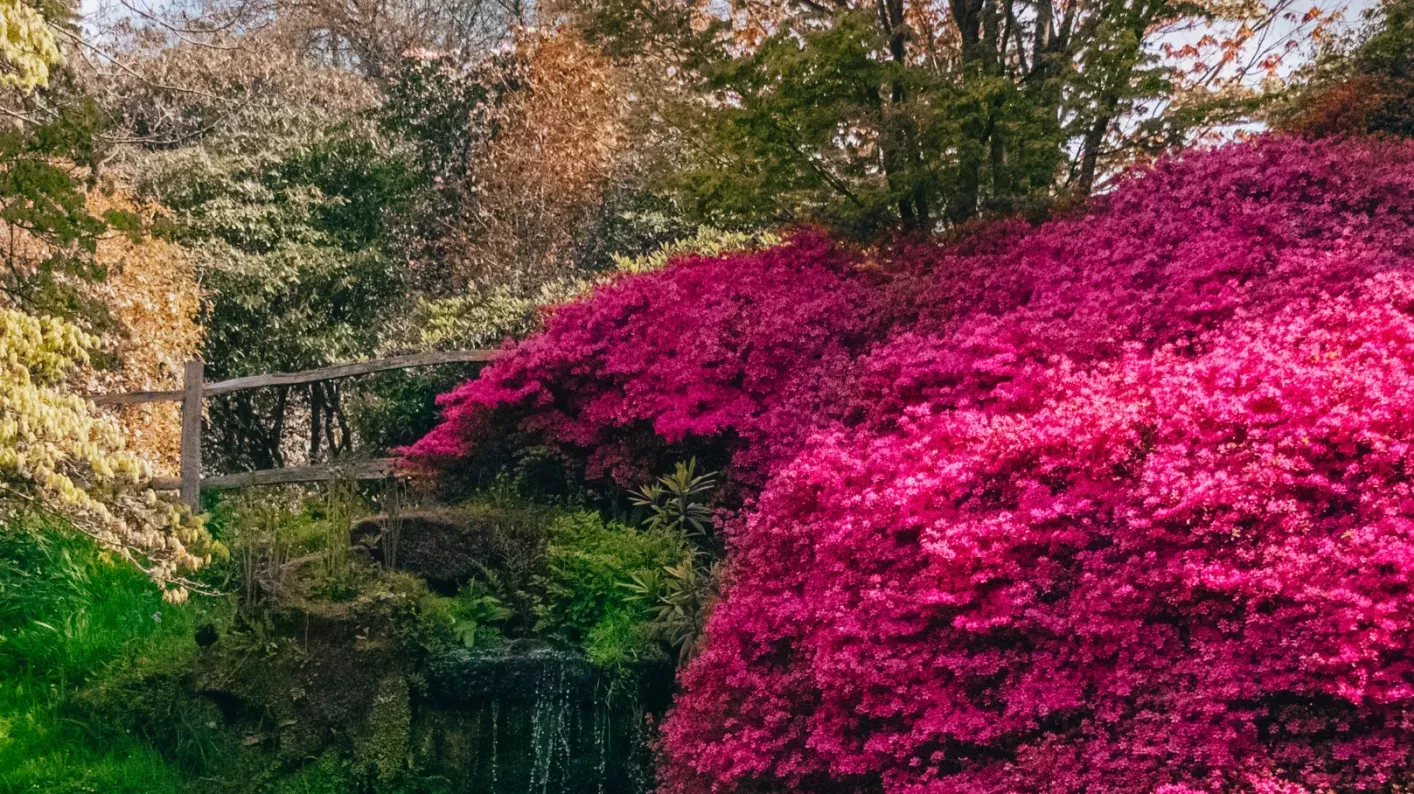
All the essential information you need to plan a visit to Wakehurst.
Visit Wakehurst