Kew Gardens
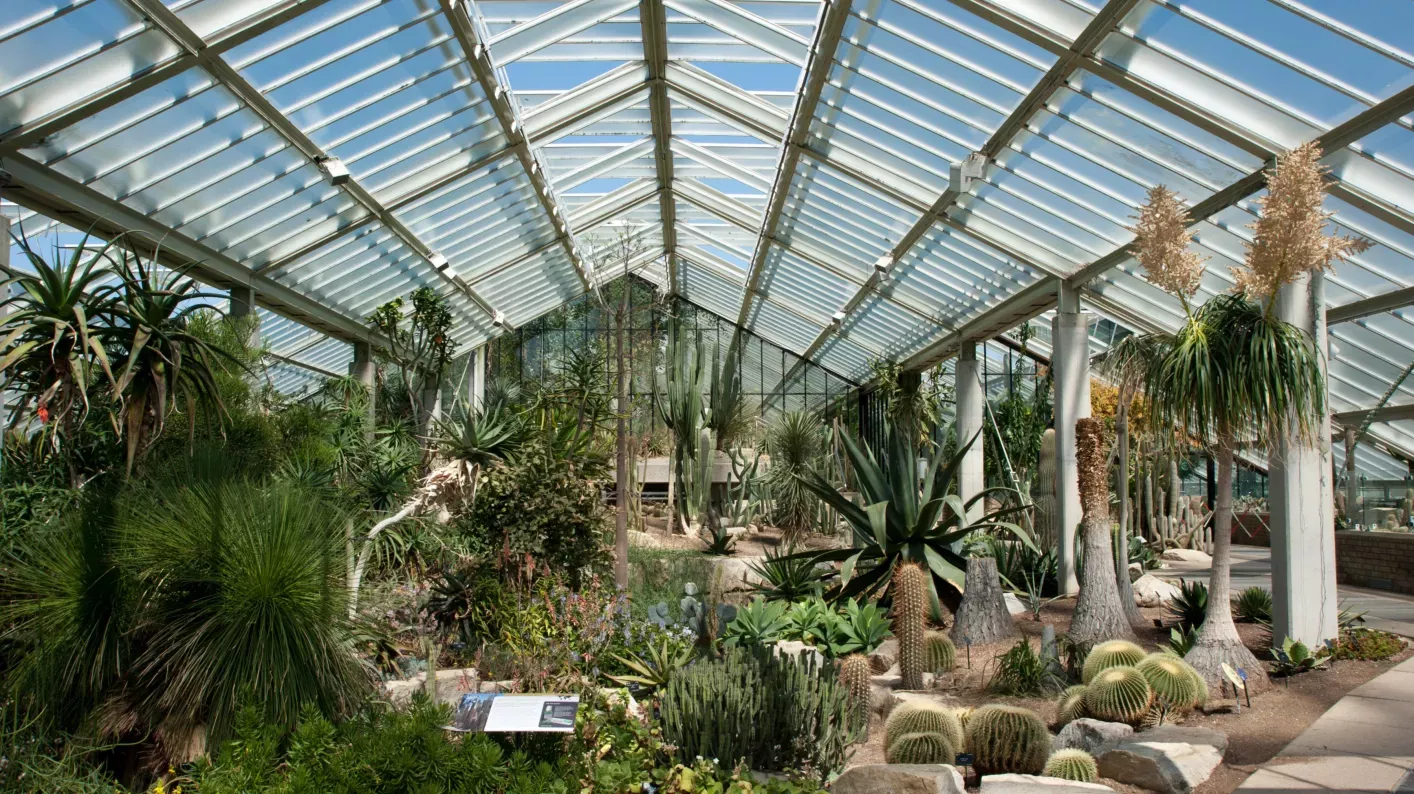
Princess of Wales Conservatory
Travel the world through ten different climate zones in the Princess of Wales Conservatory.
Explore
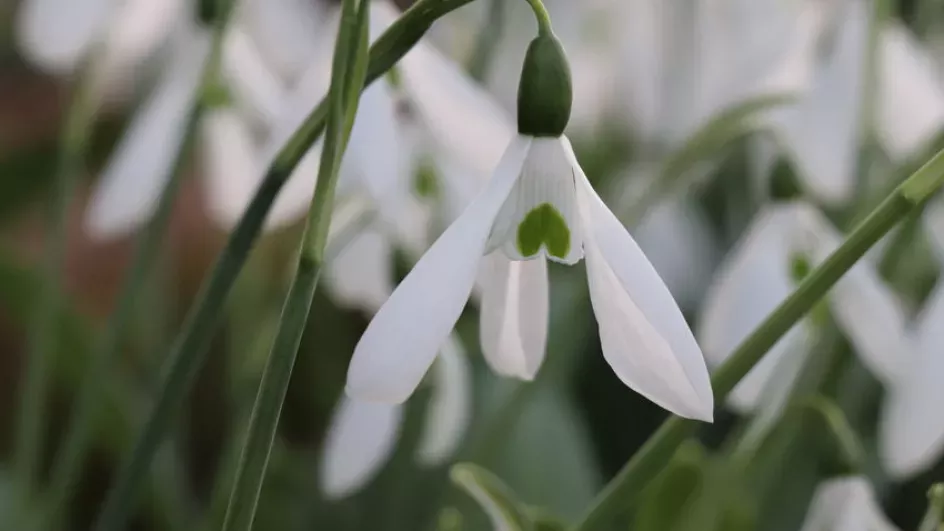
Common snowdrops (Galanthus nivalis) are among the first spring blooms, decorating woodlands, meadows, and gardens with a carpet of white.
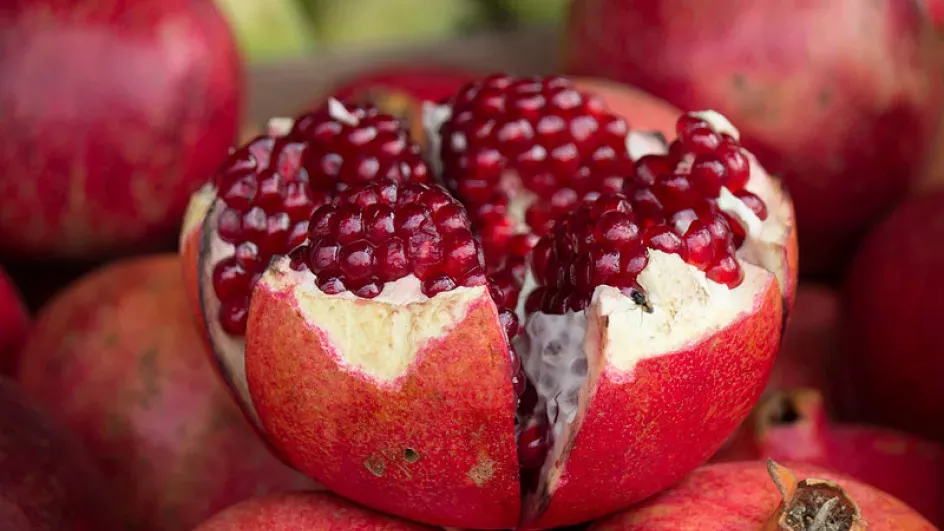
Pomegranate (Punica granatum) is the crown jewel of the fruit world, associated with different cultures and civilizations worldwide.
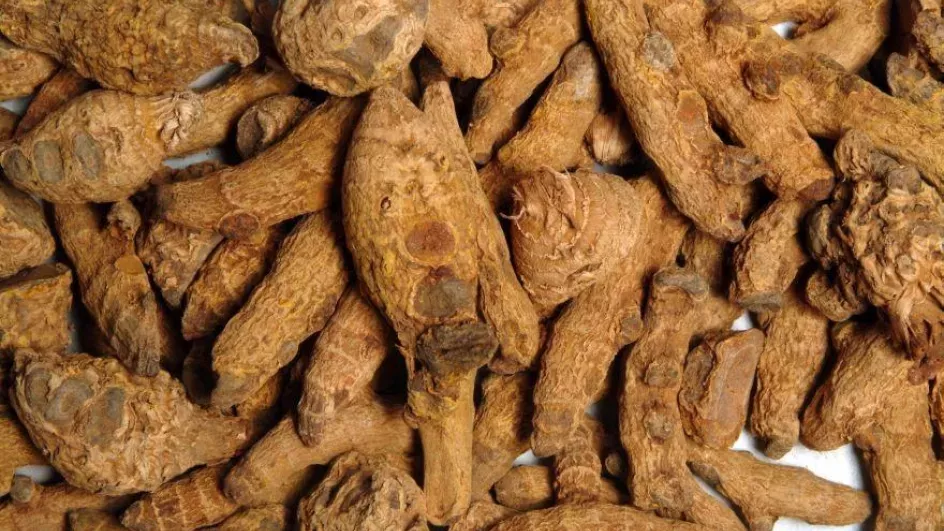
For thousands of years, turmeric (Curcuma longa) has played a key role in many dishes, medicinal remedies, and cultural practices.
Kew Gardens
Travel the world through ten different climate zones in the Princess of Wales Conservatory.
Explore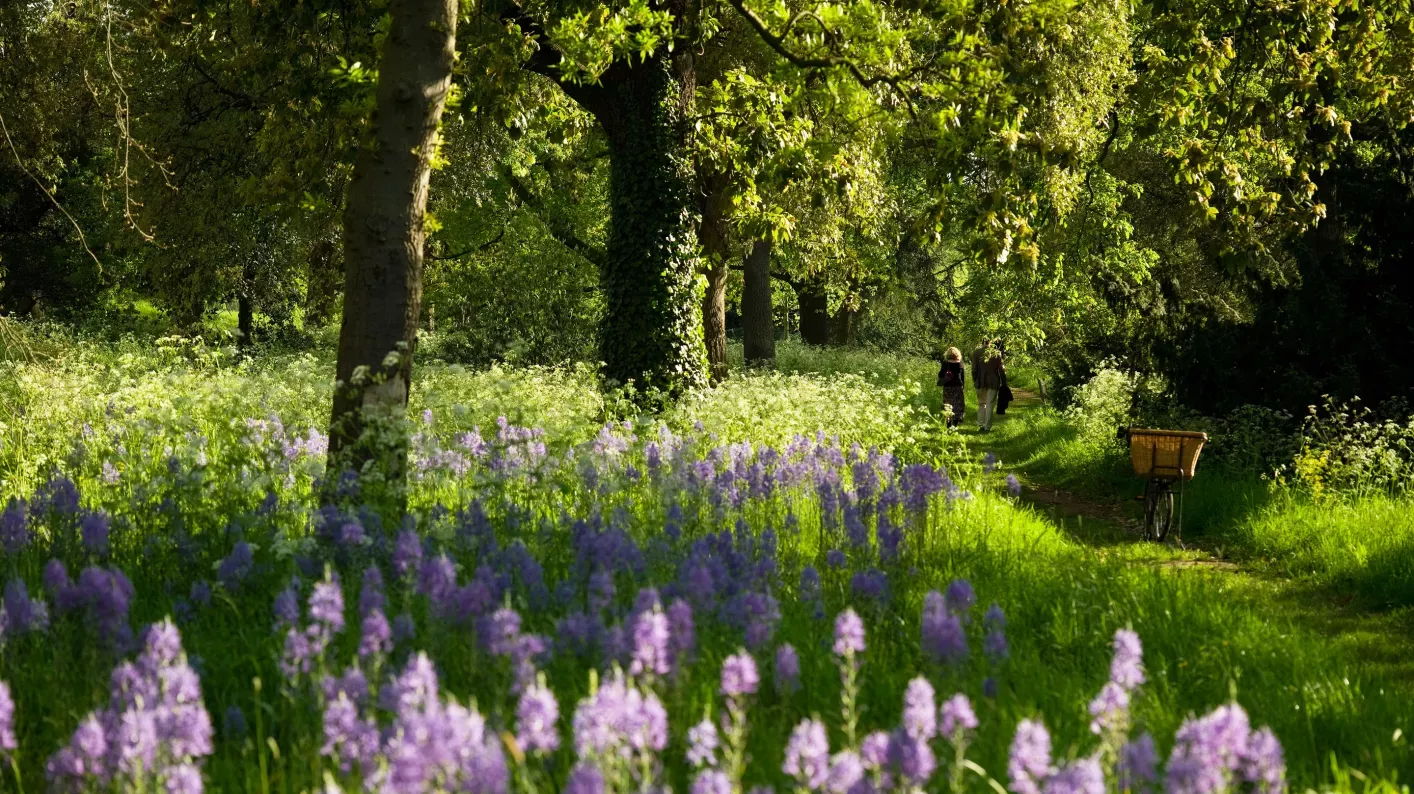
Kew Gardens
Take a wander through our vast garden of trees - a living collection that reflects the changes of the seasons.
Explore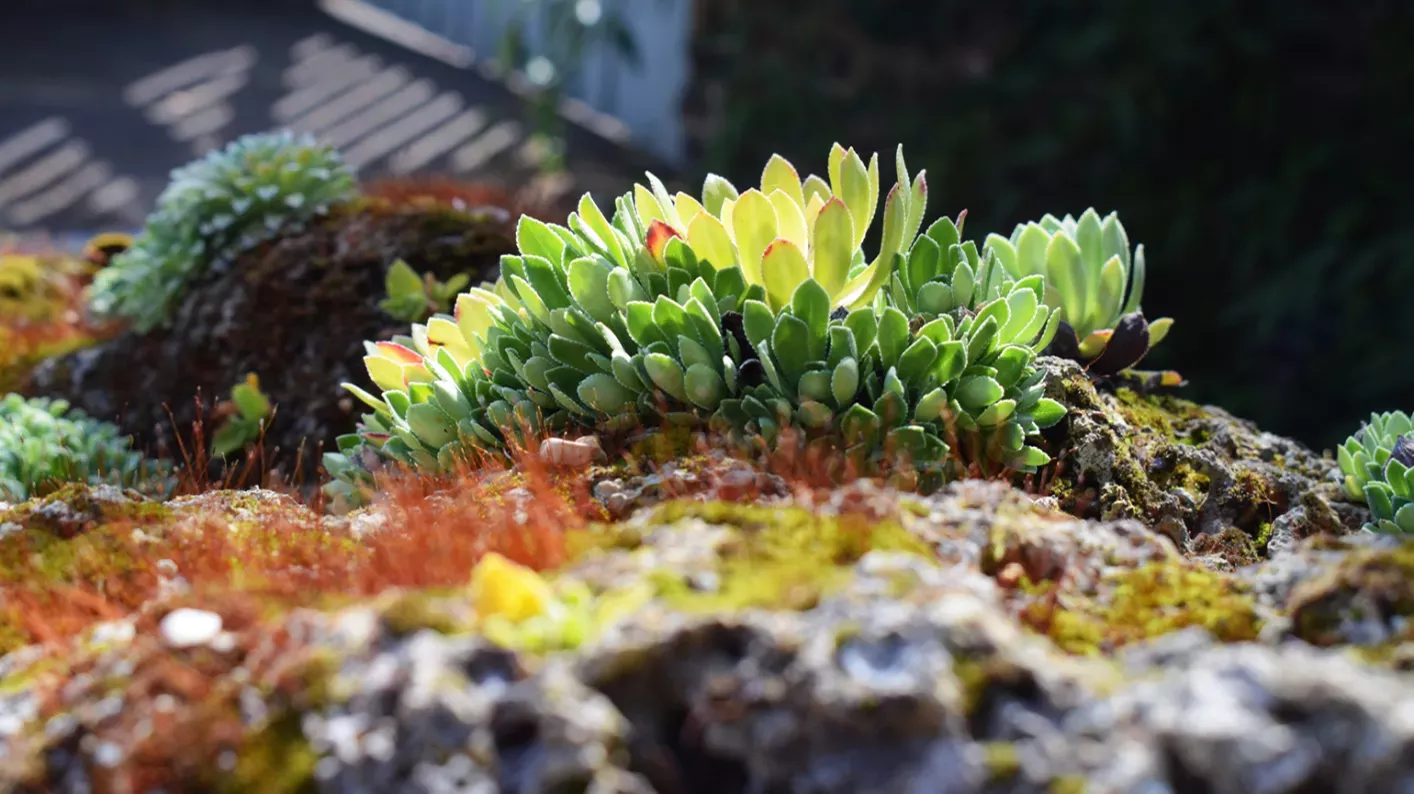
Kew Gardens
Experience this dramatic valley carved through the landscape with cascading waterfalls.
ExploreOur magnificent scientific collection contains plants from tropical, temperate, arid and alpine climates. Our expert horticulturalists grow them both in our gardens and in controlled conditions within glasshouses and nurseries.
A living collection is what sets a botanic garden apart from a park or public garden.
It is a group of plants grown especially for research, conservation, education purposes or ornamental display.
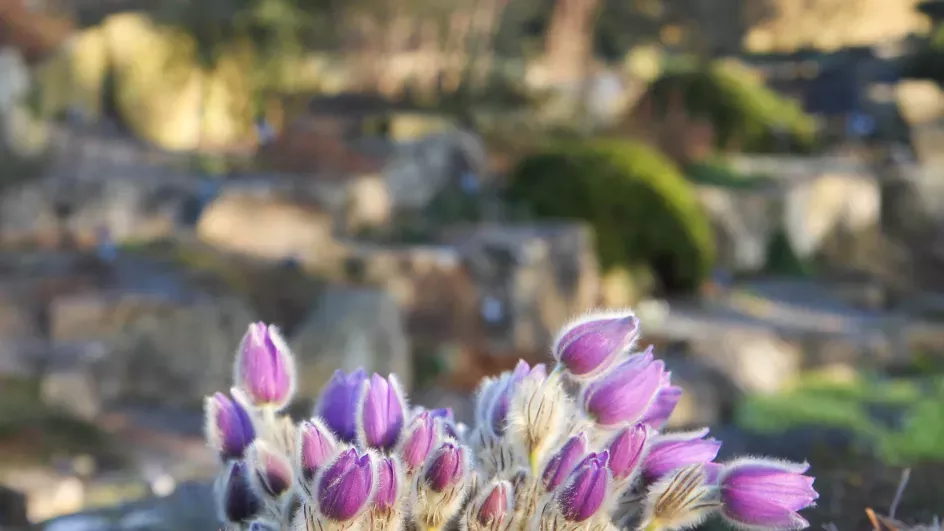
A collection of plants from the alpine and rocky regions of the world.
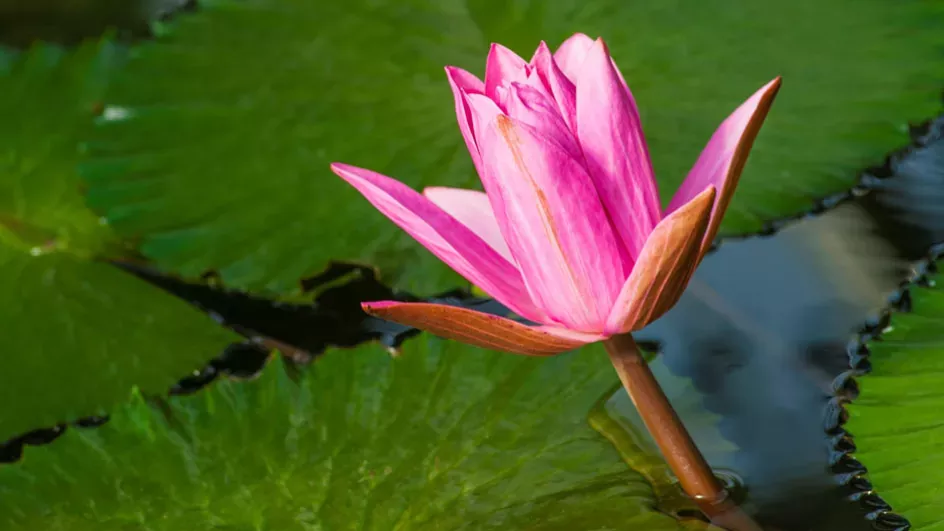
A collection of waterlilies, lotuses and other aquatic and marginal plants.
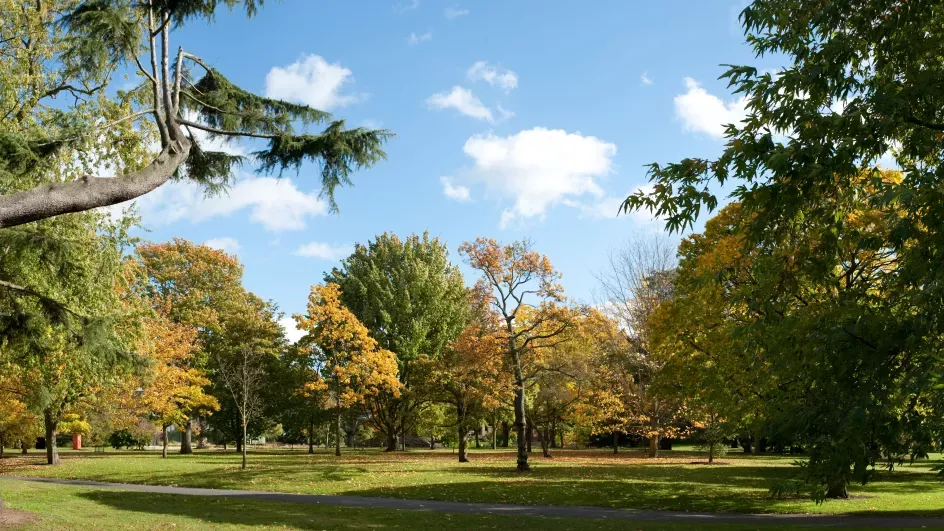
A collection of temperate woody plants comprising 100 ha of botanical plantings and 30 ha of seminatural woodland.
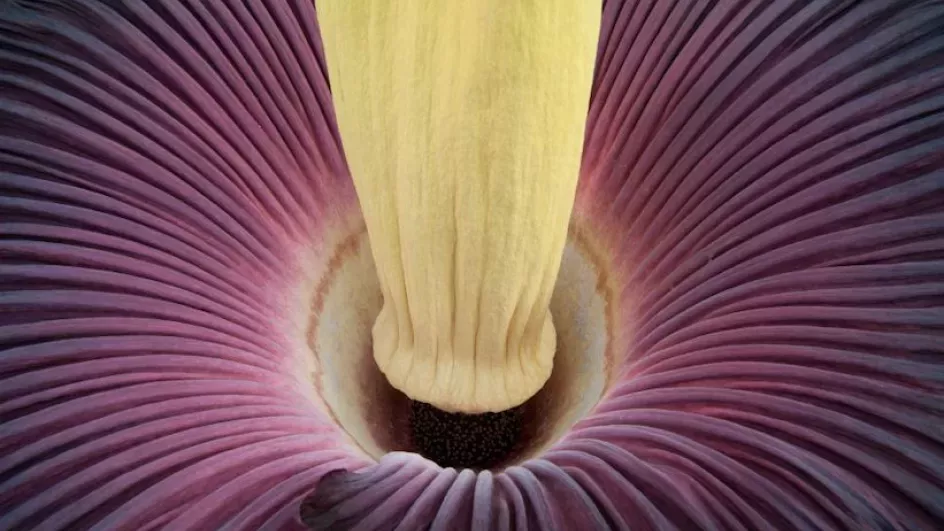
A collection of species of Araceae, a widespread tropical family also found in north temperate regions.
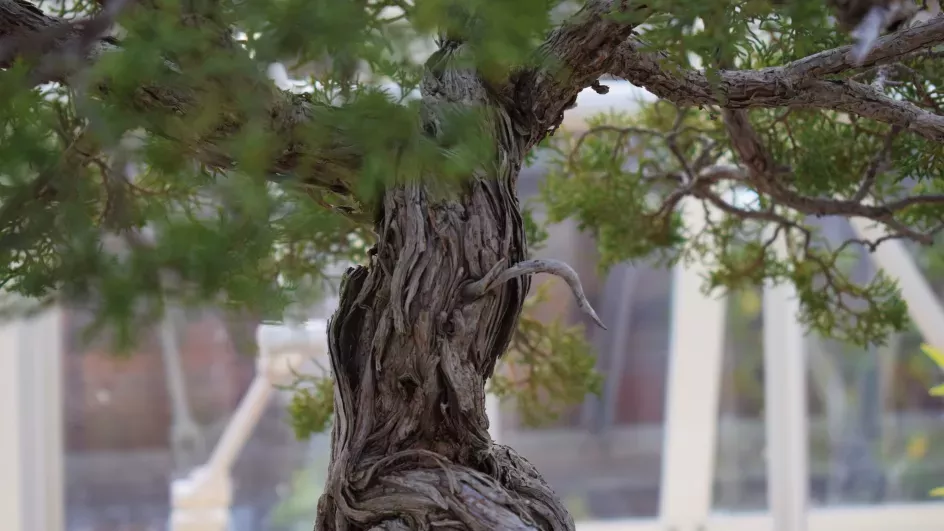
A collection of deciduous and coniferous temperate woody trees and shrubs cultivated by the Bonsai Japanese art form.
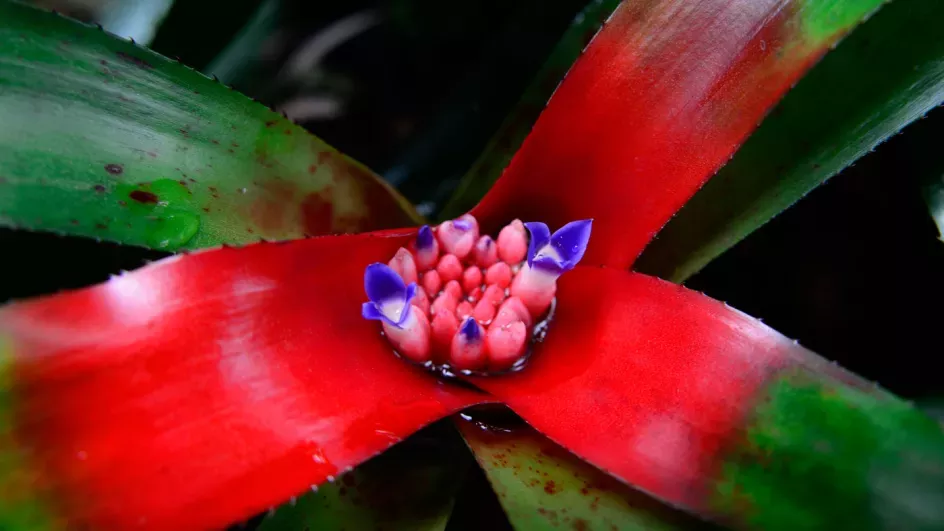
A collection of species of Bromeliaceae from humid tropical rainforests and arid regions.
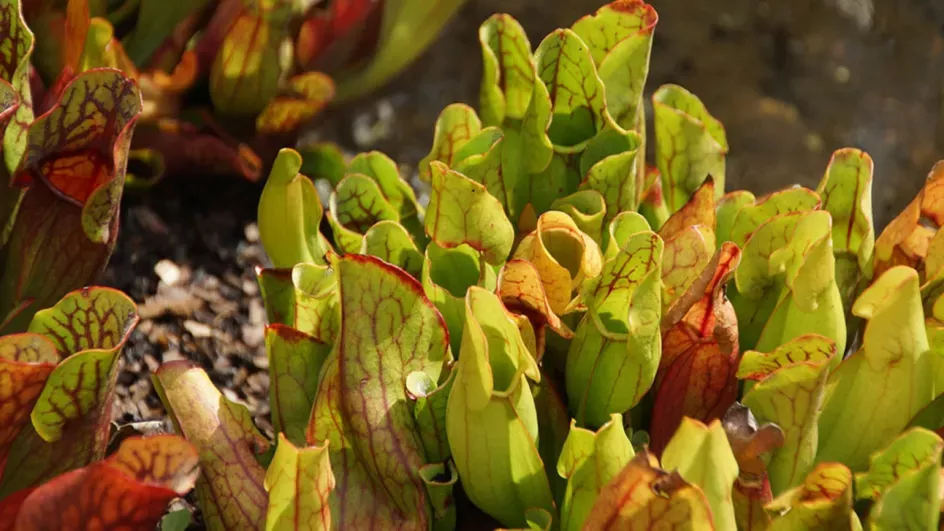
A collection of plants that display carnivory, including five of the largest carnivorous genera.
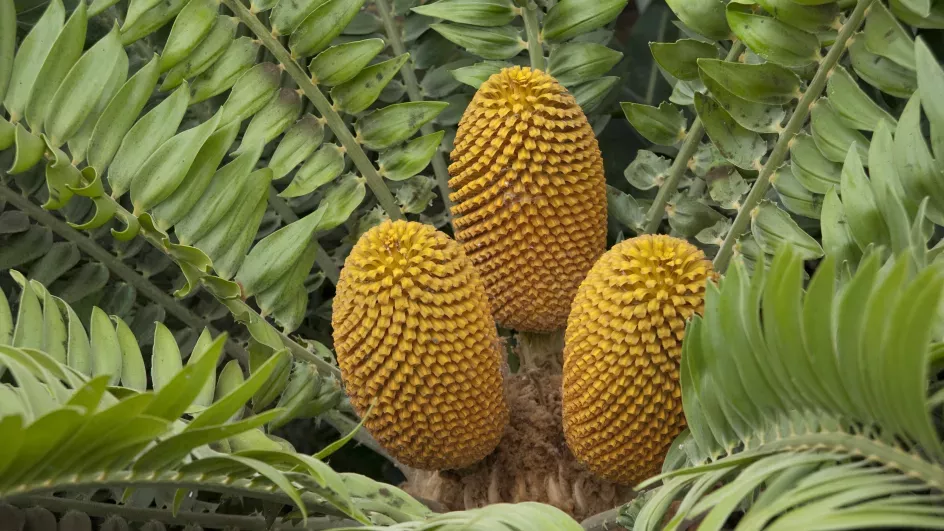
A collection of 83 cycad species from two of the three extant cycad families: Cycadaceae and Zamiaceae.
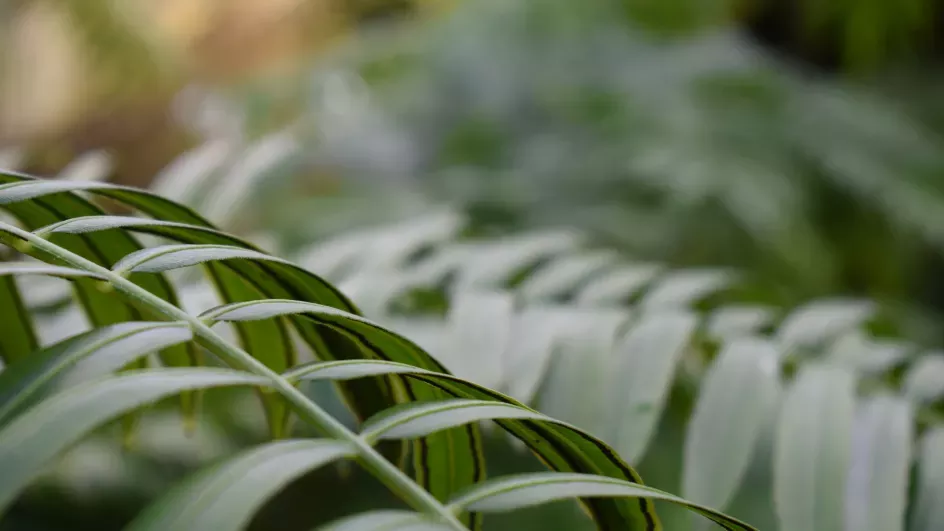
A collection of tropical and temperate ferns and lycopods.
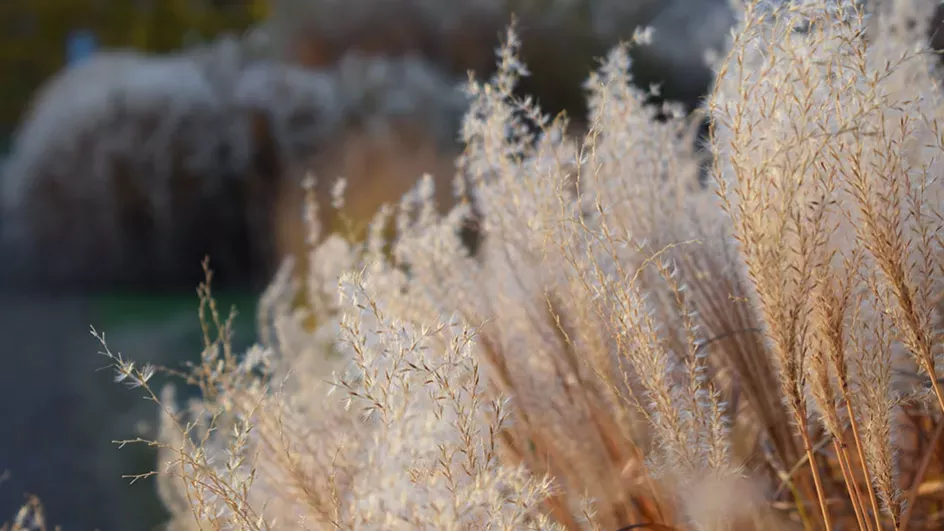
A collection of annual and tropical grasses and cereals.
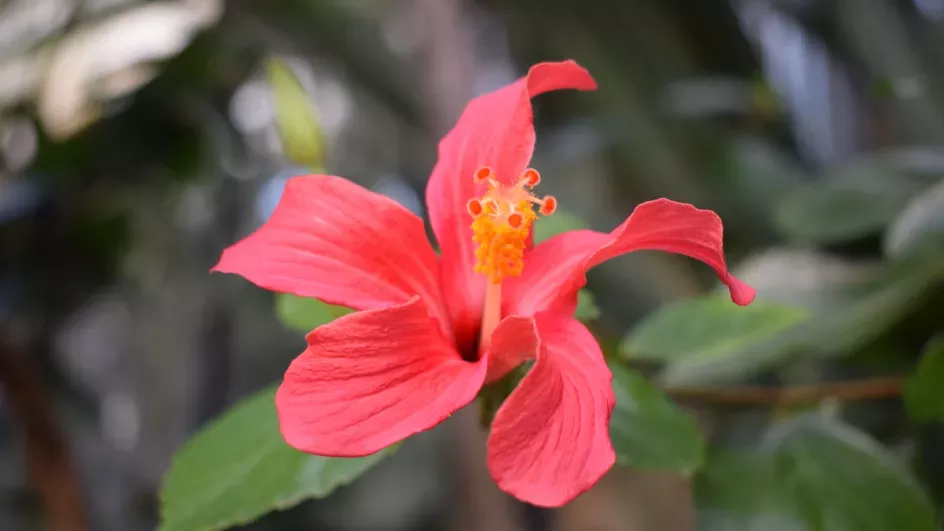
A collection of species from island floras of key interest to Kew.
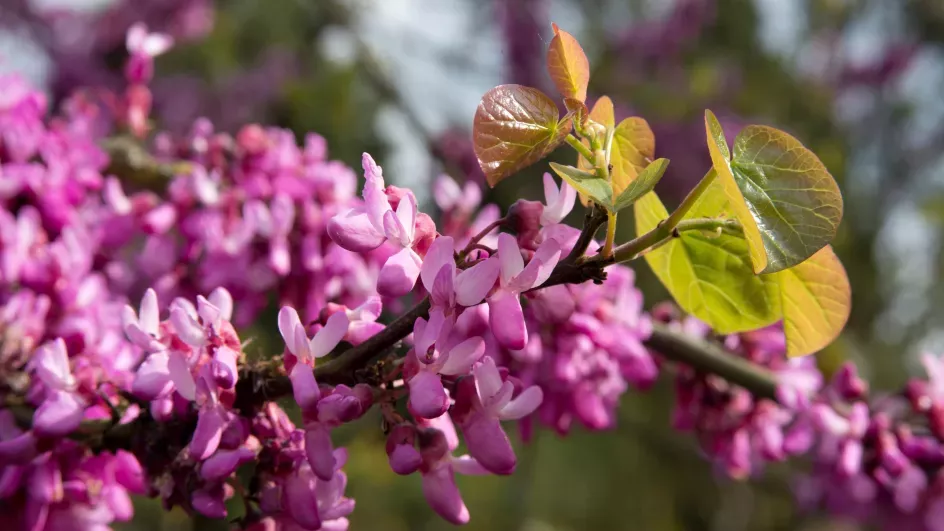
A collection of plants from the Mediterranean Basin biodiversity hotspot.
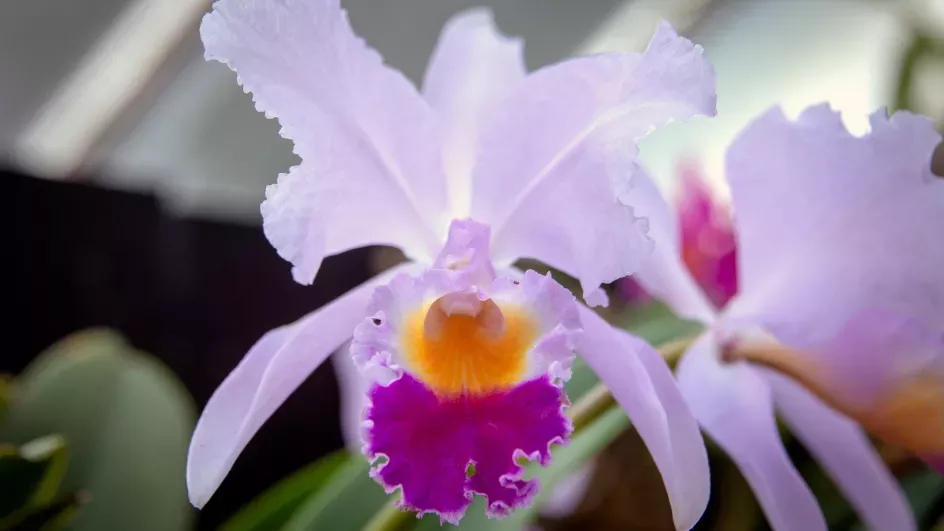
A collection of tropical, sub-tropical and temperate Orchidaceae.
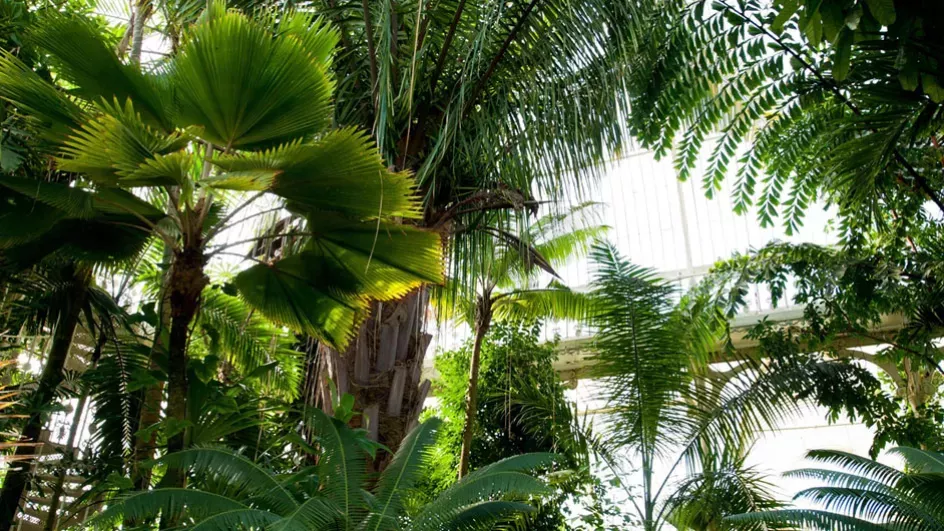
A collection of tropical, sub-tropical and temperate Arecaceae.
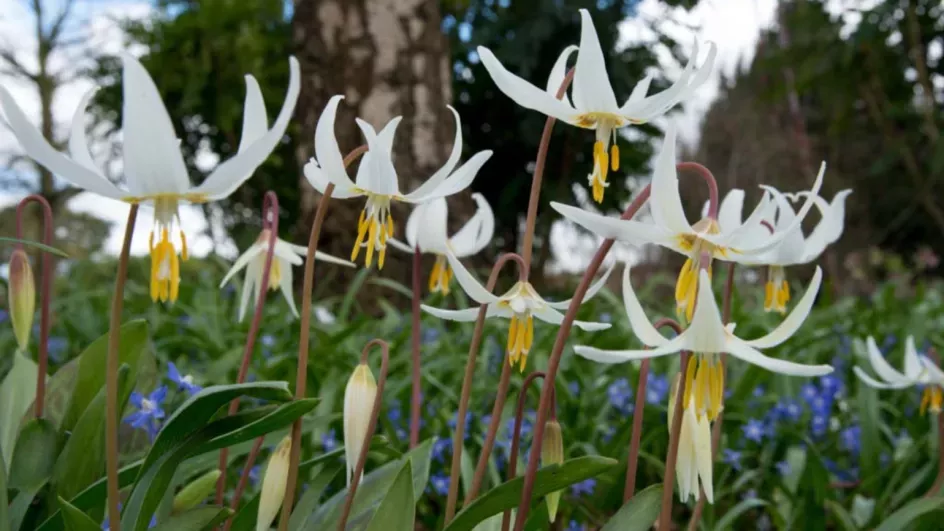
A collection of temperate, hardy, non-woody plants with some sub-shrubs.
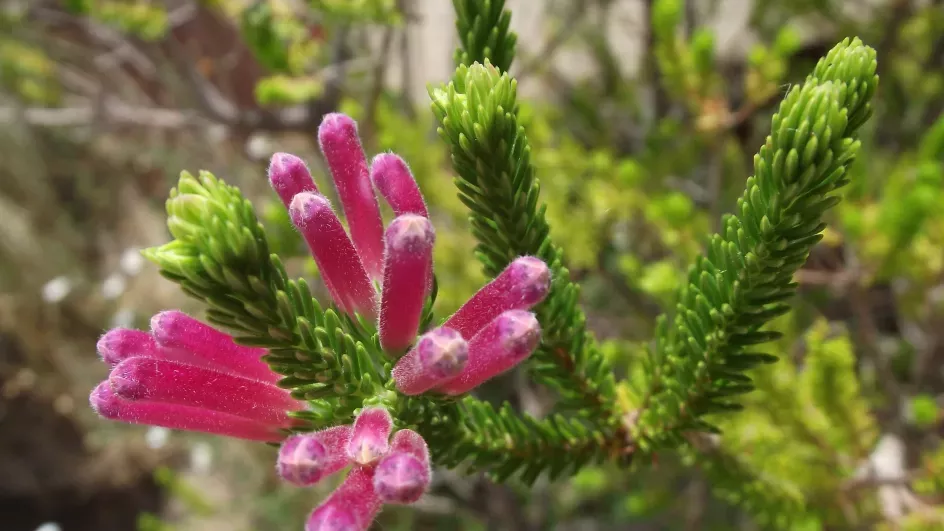
A collection of frost sensitive temperate plant taxa, ranging from small herbaceous plants to woody trees.
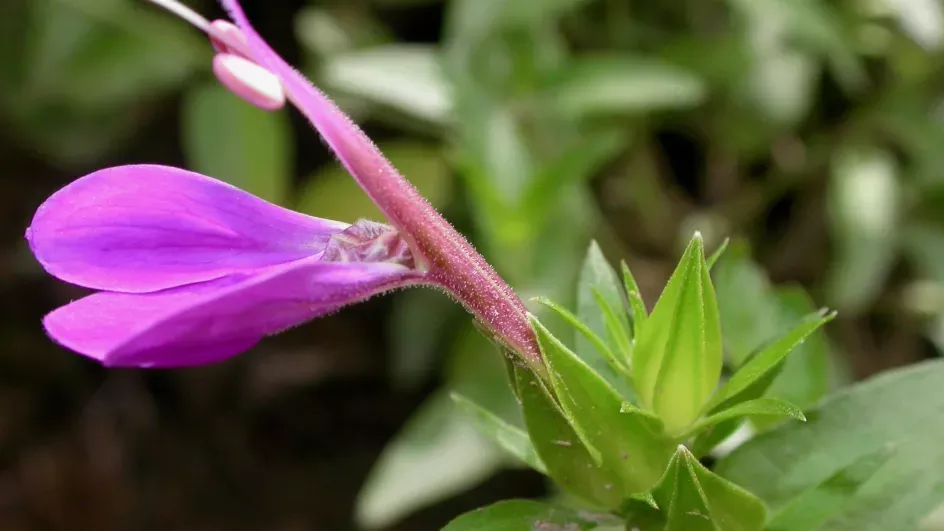
A collection of herbaceous species from the main tropical plant families of the world.
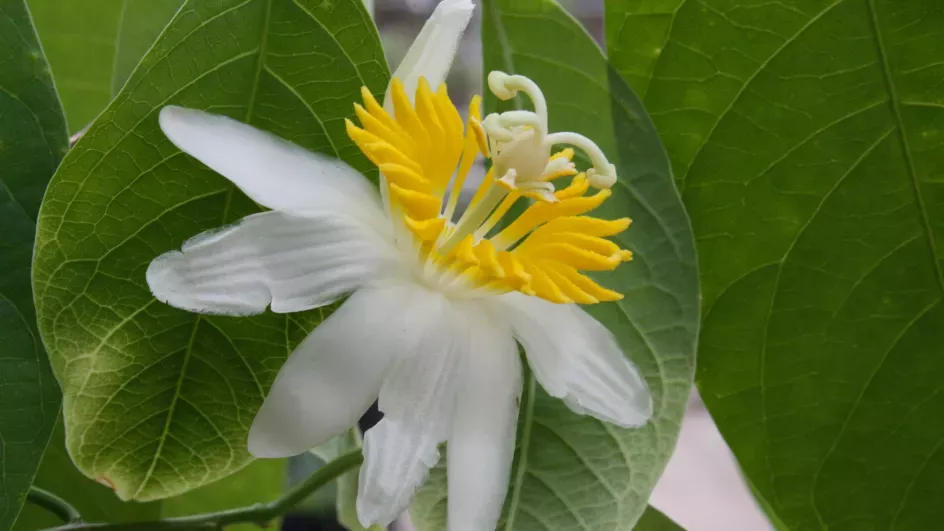
A collection of woody plants and climbers from every tropical region in the world.